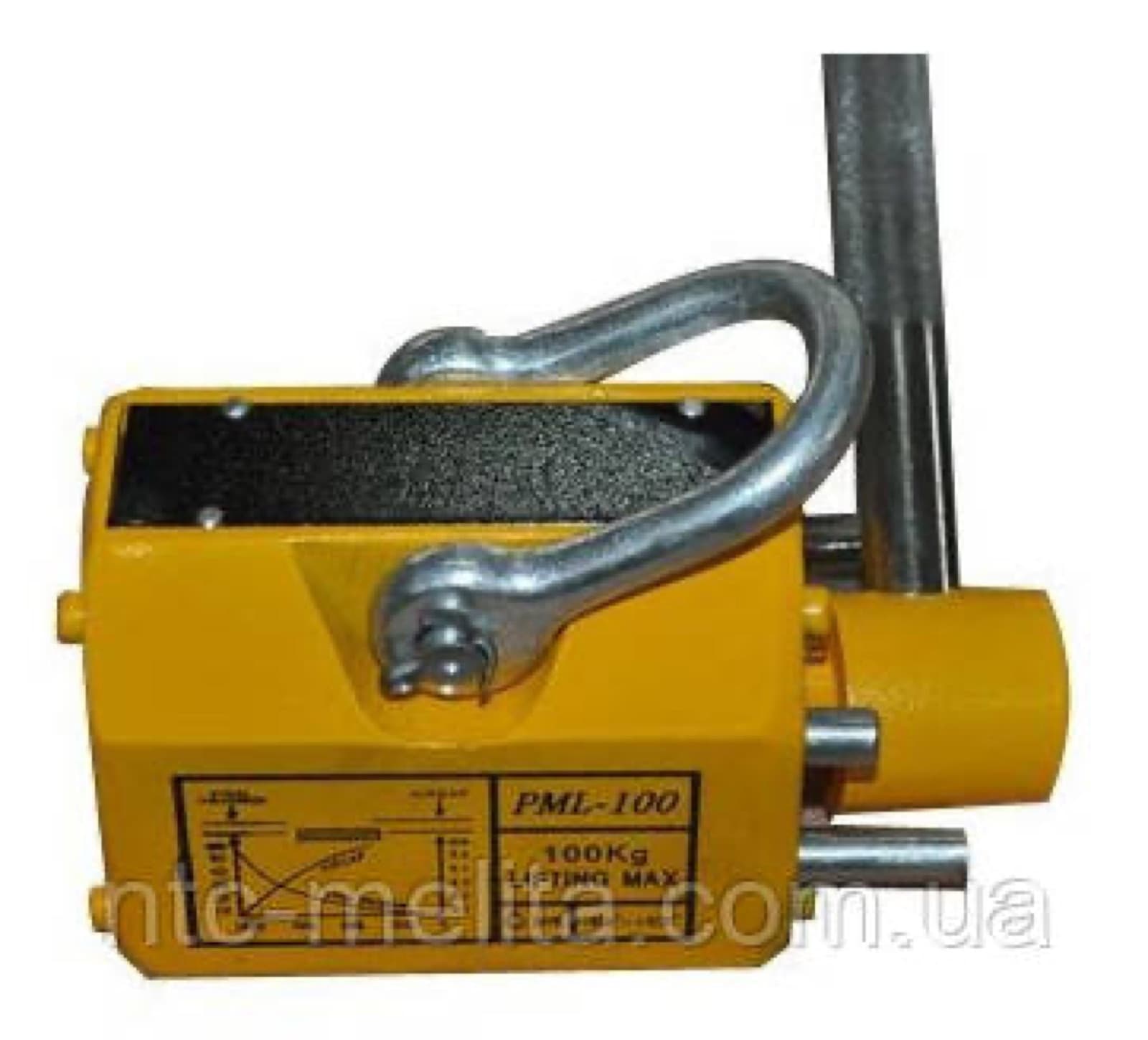
Metal weight calculator
Pick the profile, material and dimensions - the calculator gives the part weight in kilograms so you can choose a magnetic lifter, hoist or slings.
73.6 kg
- 1 m²
- 23.55 kg
- Section area
- 3,750 mm²
Not sure about the numbers? An engineer will check the calculation and pick equipment from stock or to order.
Matching products
Magnetic lifters →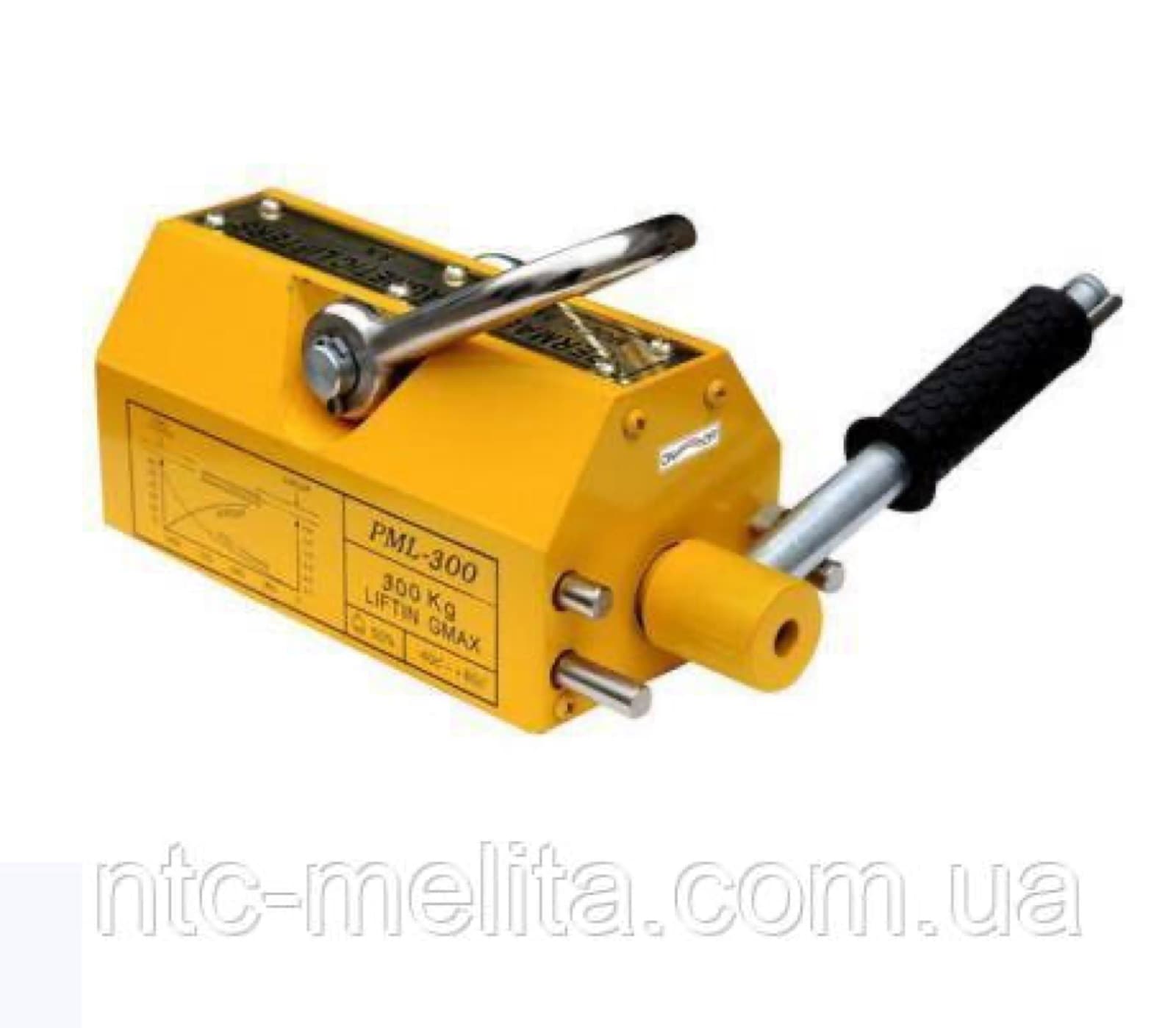
How it is calculated
Weight = cross-section area × length × density. Density, kg/m³: steel 7850, stainless 7900, cast iron 7200, brass 8500, aluminium 2700.
Cross-section area: sheet - a × t (width by thickness); round bar - π × d² / 4; tube - π × (D² - (D - 2s)²) / 4, where D is the outside diameter and s the wall; equal angle - t × (2b - t), where b is the leg and t the thickness. Angle root radii are ignored, so the result differs slightly from rolled section tables.
Example: steel sheet 1250 × 2500 × 3 mm: 1.25 × 2.5 × 0.003 × 7850 ≈ 73.6 kg.
Wall thickness matters for tubes: a 57×3.5 mm tube weighs about 4.6 kg per metre, while a solid bar of the same diameter weighs over 20 kg. Always calculate tubes and profiles by cross-section rather than by eye.
Weight of 1 m² of steel sheet
A handy figure for steel: 7.85 kg per square metre for every millimetre of thickness.
| Thickness, mm | Weight of 1 m², kg |
|---|---|
| 1 | 7.85 |
| 2 | 15.7 |
| 3 | 23.55 |
| 4 | 31.4 |
| 5 | 39.25 |
| 6 | 47.1 |
| 8 | 62.8 |
| 10 | 78.5 |
Rebar weight table
Rebar is weighed by its nominal diameter, like a steel round bar: weight of 1 m = 0.00617 × d², kg (d in mm). The ribs barely change the weight per metre, so the table matches the standard tables.
For a batch, multiply the weight of 1 m by the total length. Example: 120 bars of 12 mm rebar, 6 m each: 0.888 × 720 ≈ 639 kg.
| Diameter, mm | Weight of 1 m, kg | Metres per tonne |
|---|---|---|
| 6 | 0.222 | 4505 |
| 8 | 0.395 | 2532 |
| 10 | 0.617 | 1621 |
| 12 | 0.888 | 1126 |
| 14 | 1.208 | 828 |
| 16 | 1.578 | 634 |
| 18 | 1.998 | 501 |
| 20 | 2.466 | 406 |
| 22 | 2.984 | 335 |
| 25 | 3.853 | 260 |
| 28 | 4.834 | 207 |
| 32 | 6.313 | 158 |
| 36 | 7.990 | 125 |
| 40 | 9.865 | 101 |
Weight and choosing lifting gear
- Choose a magnetic lifter by weight with a margin. Its rated capacity applies to thick flat steel with a clean surface.
- For round stock the capacity of a magnetic lifter drops roughly by half - the magnet touches the bar only along a narrow strip.
- Thin sheet, mill scale, paint, an air gap and stainless also reduce holding force; austenitic stainless is practically non-magnetic.
- A magnet may pick up a stack of sheets at once - count the weight of the whole stack or lift sheets one by one.
- For a hoist and slings the weight is multiplied by factors - see the hoist selection and sling load calculators.