Electric hoist selector
Enter the load weight, lifting height and how often the hoist works - the calculator picks a capacity from the standard range, an I-beam size and an approximate rope length.
2 t hoist
- Load + slings, with margin
- 1.54 t
- Monorail I-beam
- 24M or 30M
- Rope (2 falls)
- ≈ 15 m
- Standard lifting height
- ≥ 6 m
Not sure about the numbers? An engineer will check the calculation and pick equipment from stock or to order.
Matching products
All parts for 2 t →

How it is calculated
Required capacity = load weight × 1.1. The 10% margin covers slings, a spreader beam and errors in estimating the weight. If the hoist runs the whole shift rather than a few lifts a day, multiply by another 1.15 - brake, motor and rope work in a heavier duty class.
Round up to the standard range: 0.5, 1, 2, 3.2, 5, 8 t. Example: a 1.6 t load gives 1.76 t, so a 2 t hoist. The same load in shift work gives 2.02 t, which already means 3.2 t.
Rope length for a two-fall reeving is about 2 × H + 3 m, where H is the lifting height. Standard heights are 6, 12 and 18 m, which gives roughly 15, 27 and 39 m of rope.
I-beam for the hoist trolley (approximate)
These are typical monorail profiles (GOST M-series). The exact size depends on the span between supports and the trolley of the specific model - check the hoist passport and a beam calculation.
| Capacity | I-beam |
|---|---|
| up to 1 t | 24M |
| up to 3.2 t | 24M or 30M |
| 5 t | 30M or 36M |
| 8 t | 36M or 45M |
Practical tips
- Take the load weight from documents or work it out with the metal weight calculator rather than guessing.
- When slinging at an angle, check the slings separately with the sling load calculator.
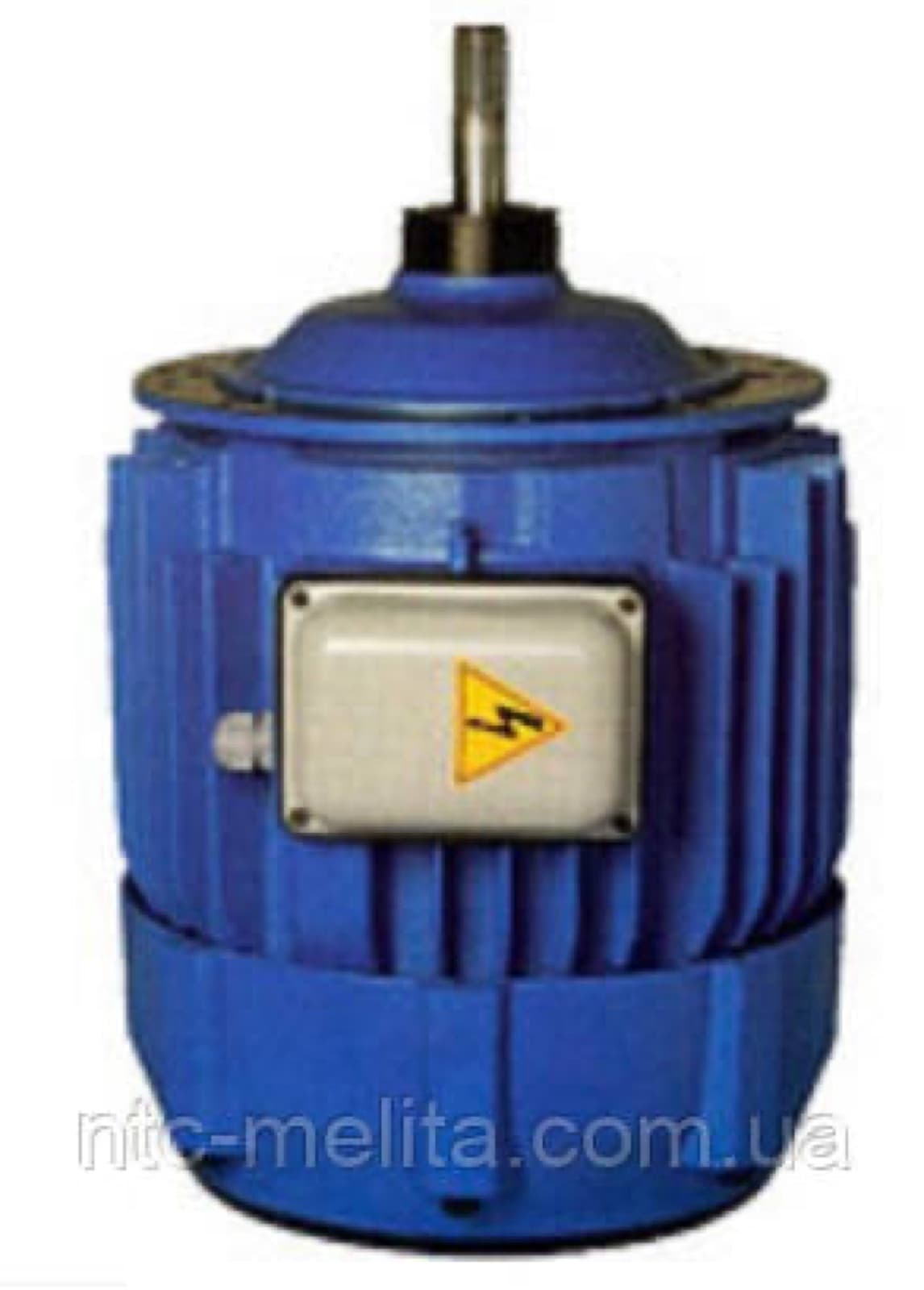
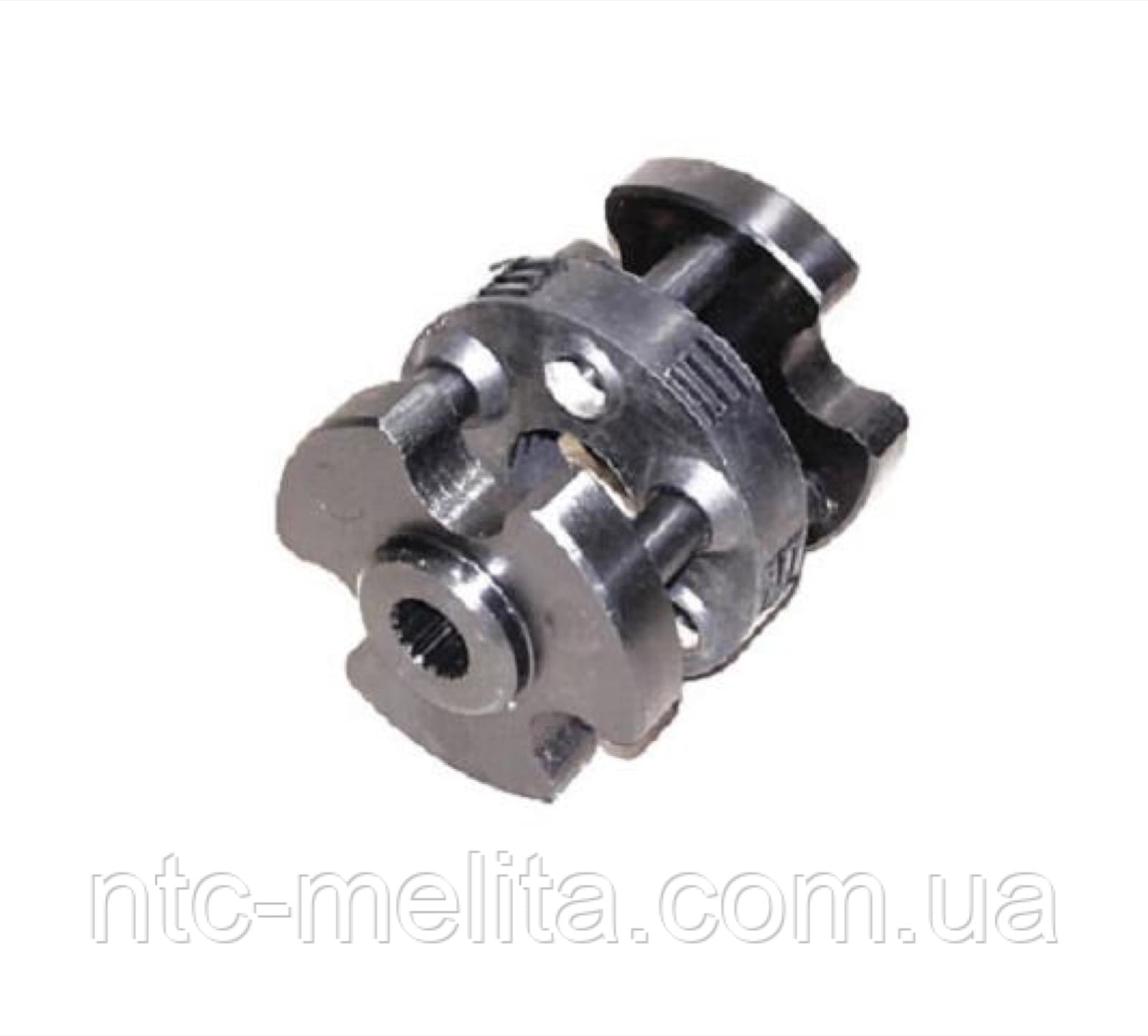
- Bulgarian hoists of the T and MT series (Podem) are very common in Ukraine. We sell spare parts for them: brake linings, couplings, fans, rotors.
- When buying a used hoist, check the rope, the brake and the motor nameplate - the motor type tells you the capacity and the parts it takes.
Who makes the final decision
The calculator gives a starting point. The final decision on capacity, beam and reeving is made by the person responsible for safe lifting operations at your site.