
Sand permeability and moisture
Enter the pressure and air flow time through the specimen and the sample mass before and after drying - the calculator returns sand permeability and moisture and compares them with typical values.
106 permeability units
Normal for green sand- Moisture
- 4.2 %
- Typical for green sand
- K 70-150, W 3-5 %
Not sure about the numbers? An engineer will check the calculation and pick equipment from stock or to order.
Matching products
Laboratory instruments →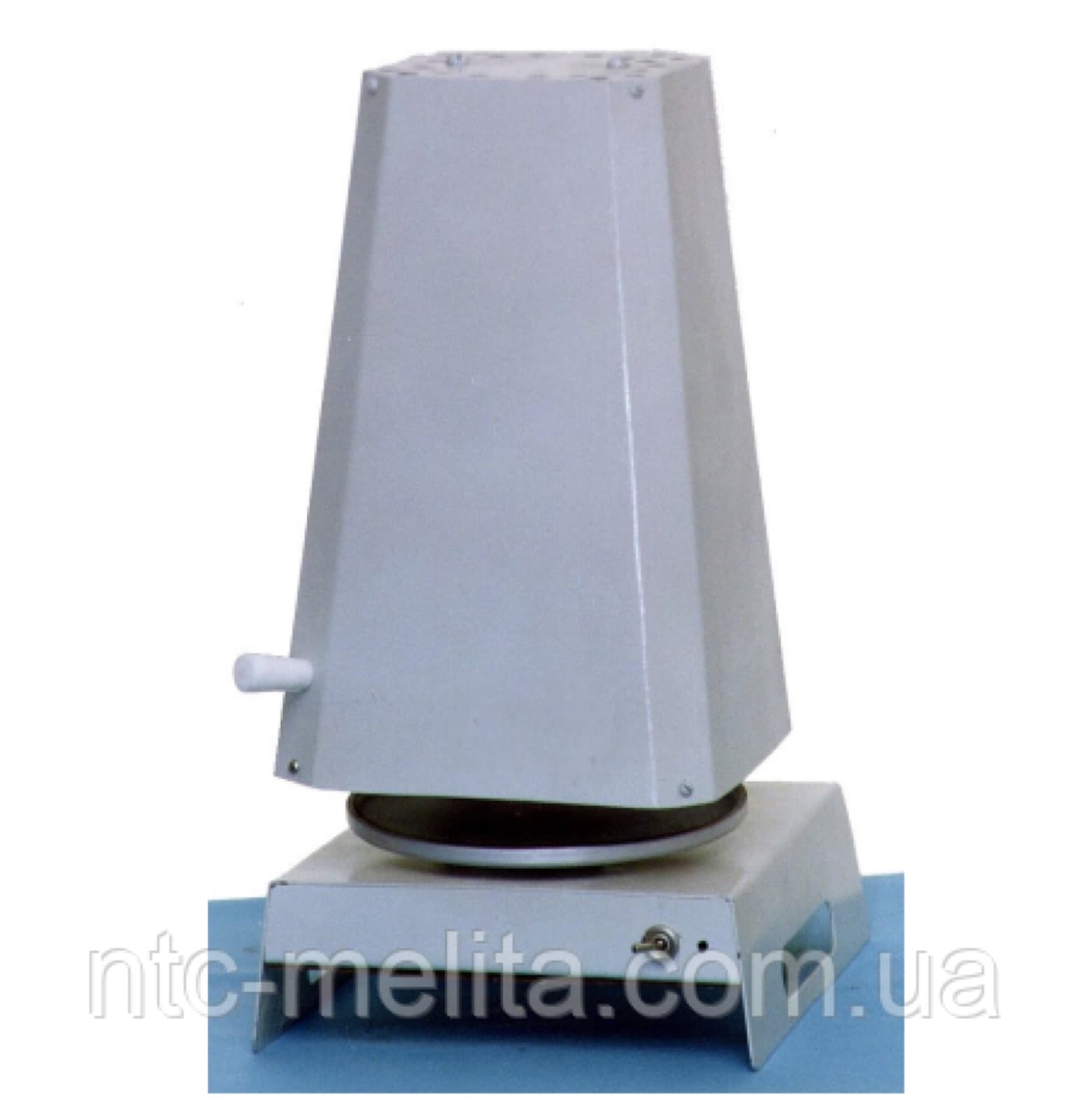
○ To orderRapid moisture analyzer 04211
power250 VAvoltage220 Vweight3 kg
15 264 ₴incl. VAT · 12 720 ₴ excl. VAT
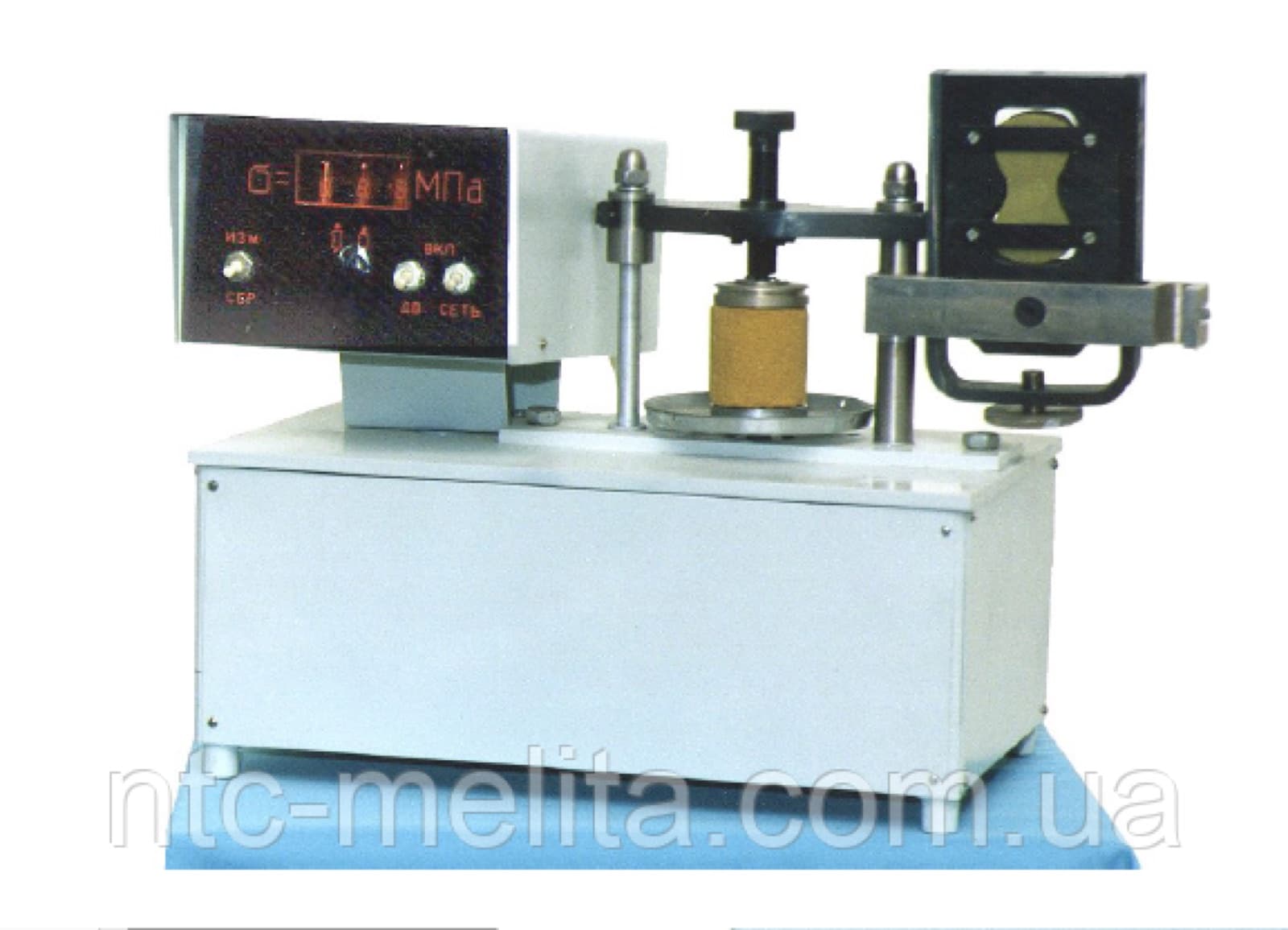
○ To orderStrength testing machine for molding and core mixtures 04116
153 000 ₴incl. VAT · 127 500 ₴ excl. VAT
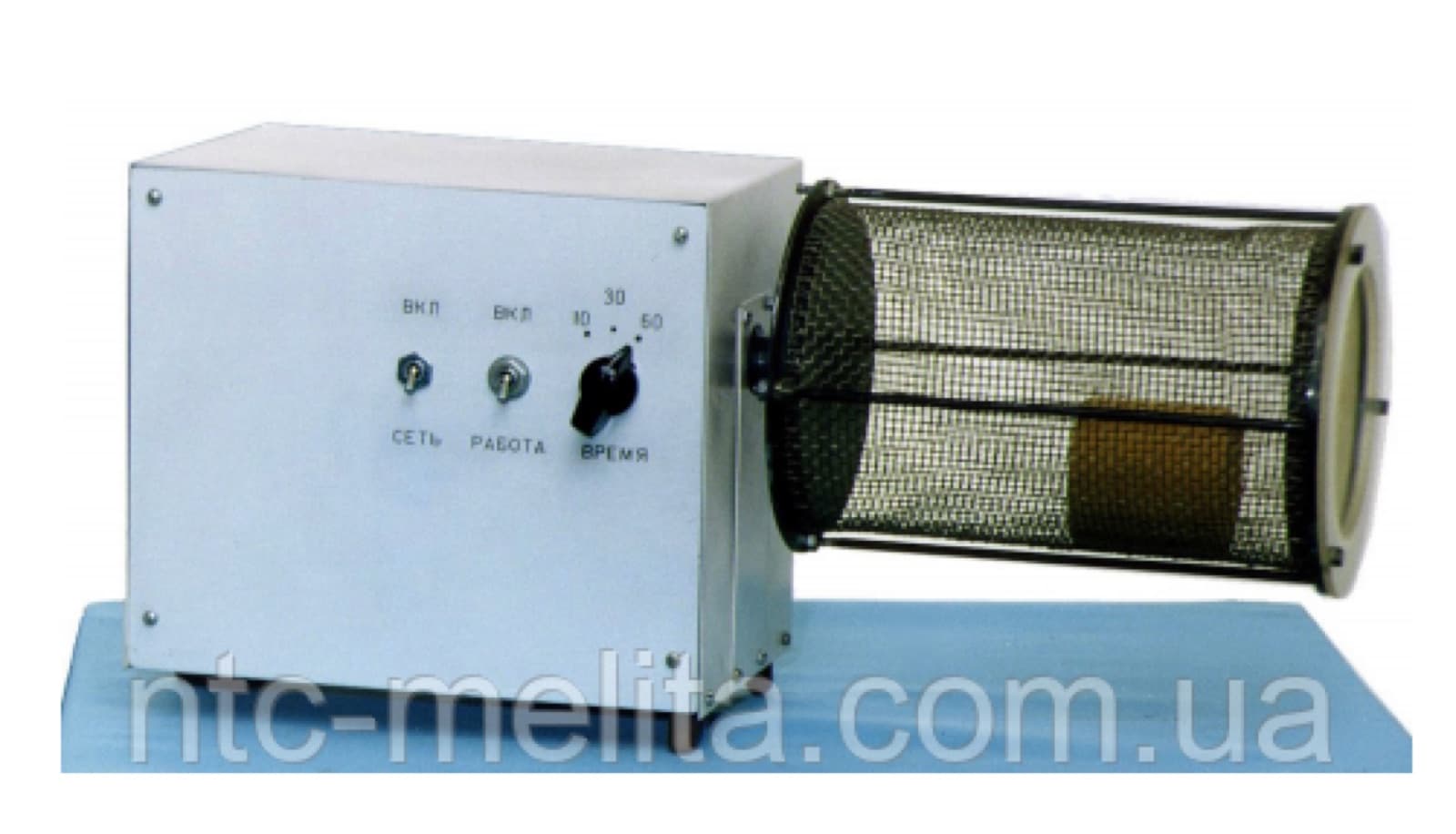
○ To orderMoldability and friability tester 04812
voltage220 Vweight6.1 kg
41 904 ₴incl. VAT · 34 920 ₴ excl. VAT
How it is calculated
Permeability: K = V × h / (F × p × t), where V = 2000 cm³ is the volume of air passed through the specimen, h = 5 cm is the specimen height, F = 19.63 cm² is the cross-section of the standard 50×50 mm specimen, p is the pressure before the specimen in cm of water column (g/cm²) and t is the time in minutes. With the constants substituted, K = 509.4 / (p × t).
Example: pressure 6 g/cm², time 0.8 min - K = 509.4 / 4.8 ≈ 106.
Moisture: W = (m1 - m2) / m1 × 100%, where m1 is the sample mass before drying and m2 after. A 50 g sample weighing 48 g after drying has 4% moisture.
Typical values for green sand
| Property | Typical | Too low | Too high |
|---|---|---|---|
| Permeability K | 70-150 | gases trapped: blowholes, gas porosity | loose sand: metal penetration, rough surface |
| Moisture W | 3-5% | sand crumbles, mould breaks | excess steam: scabs, blowholes |
Practical tips
- Ram the specimen the standard way, with three rammer blows, and check the 50 mm height - the formula depends on it.
- Moisture and permeability are linked: when moisture changes, check both.
- Take the moisture sample straight after the mixer and weigh it quickly - sand dries in air.
- Permeability falls as fines and clay build up: watch the dust content when reclaiming sand.
- Alongside these, check compression strength - it tells you whether the mould will withstand pouring.
- Log results by shift - the trend matters more than a single reading.
Instruments for sand testing
These tests use the bell-type permeability meter 04316, the rapid moisture tester 04211 and the strength testing machine 04116. Find them in laboratory instruments.