Electric Hoist Not Holding Load: Causes and Brake Checks
When an electric hoist does not hold the load, the brake is the usual culprit: worn or oily brake linings, or a wrong brake gap or rotor axial play. Less often it is a worn elastic coupling element, a damaged gearbox shaft or a motor supply problem. Take the hoist out of service at once and repair it with the load removed and the power isolated, following the passport.
Safety first: what to do when the load slips
A hoist that does not hold the load, or lets it sink after the button is released, is a faulty lifting appliance. Do not keep using it, not even "carefully": a brake that slips under part load can fail completely under rated load.
Before you take anything apart, do the minimum that any operating manual requires:
- lower the load onto a support or stands and unhook it;
- switch the hoist off at the main isolator, hang a warning tag and verify that there is no voltage;
- inform the person responsible for safe operation and make an entry in the log;
- carry out diagnostics and adjustment according to the passport of your specific model - gap and rotor travel values depend on the motor type.
How the brake of a Bulgarian hoist works
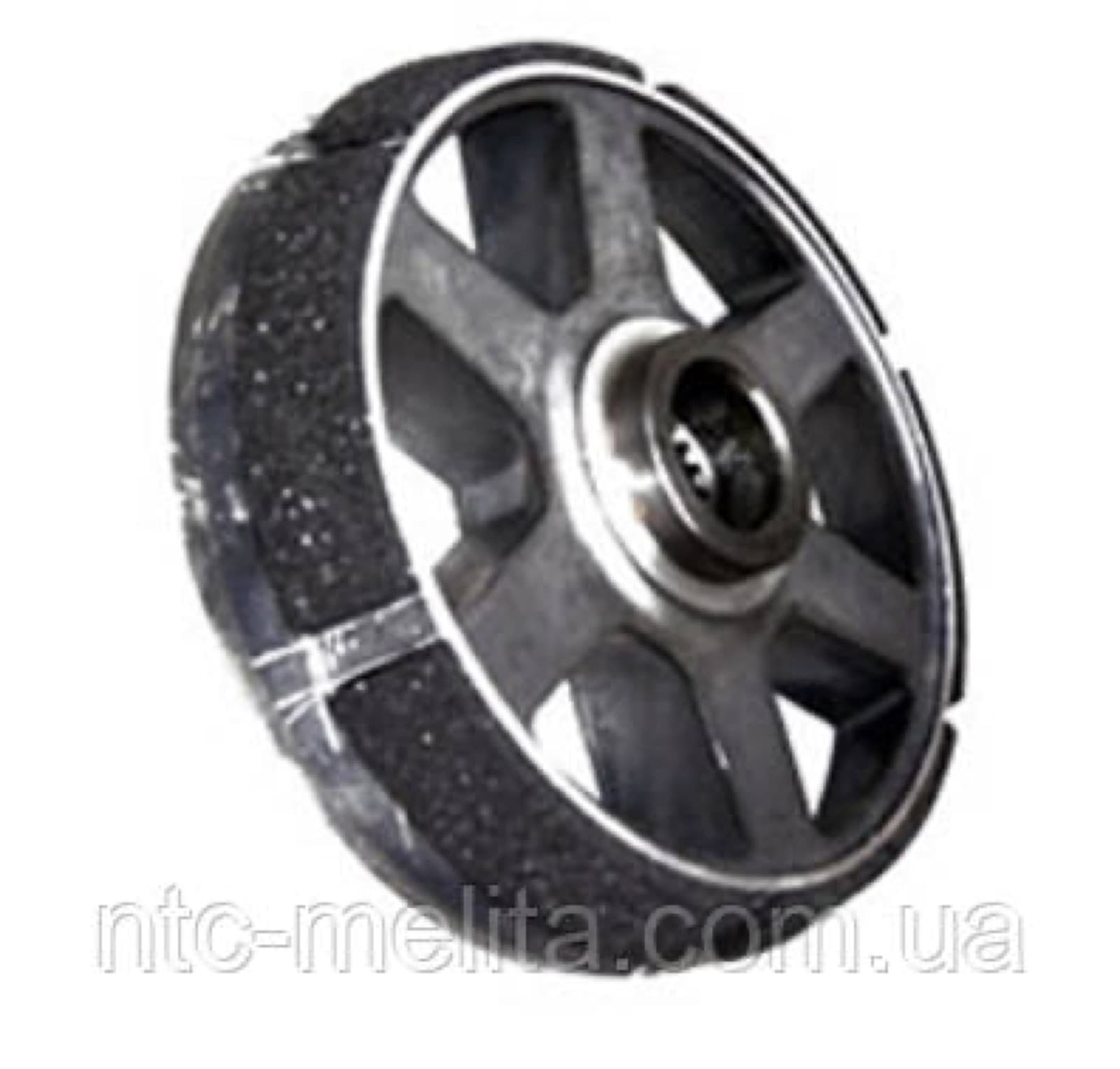
On Bulgarian electric hoists (Balkancar type) the lifting gear is driven by a KG-series motor with a conical rotor. The brake is a cone brake: a fan with friction linings sits on the rotor shaft, and a spring presses its cone against the braking surface in the motor end cover.
When the motor is energized, the magnetic field pulls the conical rotor axially, the spring is compressed and the brake releases. When power is cut, the spring pushes the rotor back, the linings bear against the cone and the shaft stops. From the motor, torque passes through an elastic coupling and a shaft into the gearbox and then to the rope drum.
This gives the fault-finding logic: the load is held by the chain "linings - cone - spring - rotor - coupling - gearbox shaft". A weak link anywhere produces the same symptom - the load goes down.
Typical reasons an electric hoist does not hold the load
In repair practice on Bulgarian hoists, the causes rank roughly like this, from most to least common:
- Worn brake linings. Linings wear with every stop; as the friction layer gets thinner, the spring no longer provides enough force and the load starts to creep. Check the minimum thickness and replacement criterion in the passport.
- Oil, water or dirt on the braking surfaces. Oil from the gearbox or a bearing, condensation and metal dust sharply reduce friction. Oil-soaked linings usually cannot be restored - they are replaced and the cone is cleaned.
- Wrong brake gap or rotor axial play. Rotor travel changes after replacing linings or bearings, or simply after long service. Too little travel and the brake does not fully release and overheats; too much and the spring cannot clamp properly. Adjust only per the passport.
- Worn elastic coupling element or damaged gearbox shaft. The brake sits on the motor, so if backlash or sheared splines appear between motor and drum, the motor shaft is braked while the drum still turns.
- Electrical causes. A lost phase, voltage drop or a control circuit fault: the motor hums, the rotor does not reach full travel and the brake works half-released. On hoists with a separate brake solenoid, the solenoid is checked too. This is a job for a qualified electrician.
Symptom → likely cause → part to check
The table helps narrow the search before inspection. The final decision is made by the mechanic after the unit is opened.
| Symptom | Likely cause | What to check / replace |
|---|---|---|
| Load slowly creeps down after stopping, stopping distance grows gradually | Worn brake linings | Brake lining matching the hoist capacity |
| Brake suddenly started slipping after gearbox repair or in damp weather | Oil or moisture on linings and cone | Linings (replace), gearbox seals, clean the cone |
| Load still slips after new linings, or the motor runs hot | Wrong rotor axial play / brake gap | Adjust per passport; if the unit is worn - fan with linings |
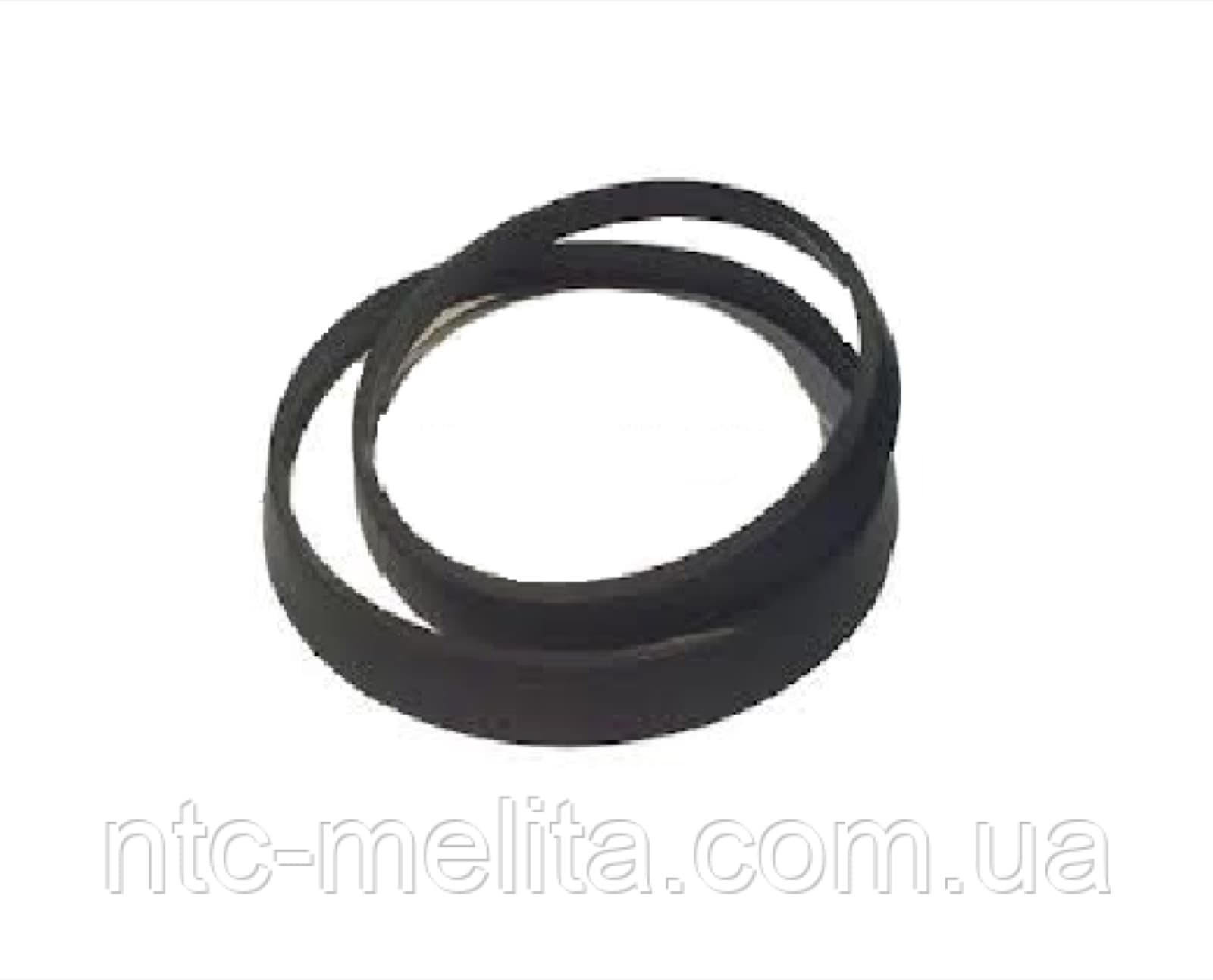
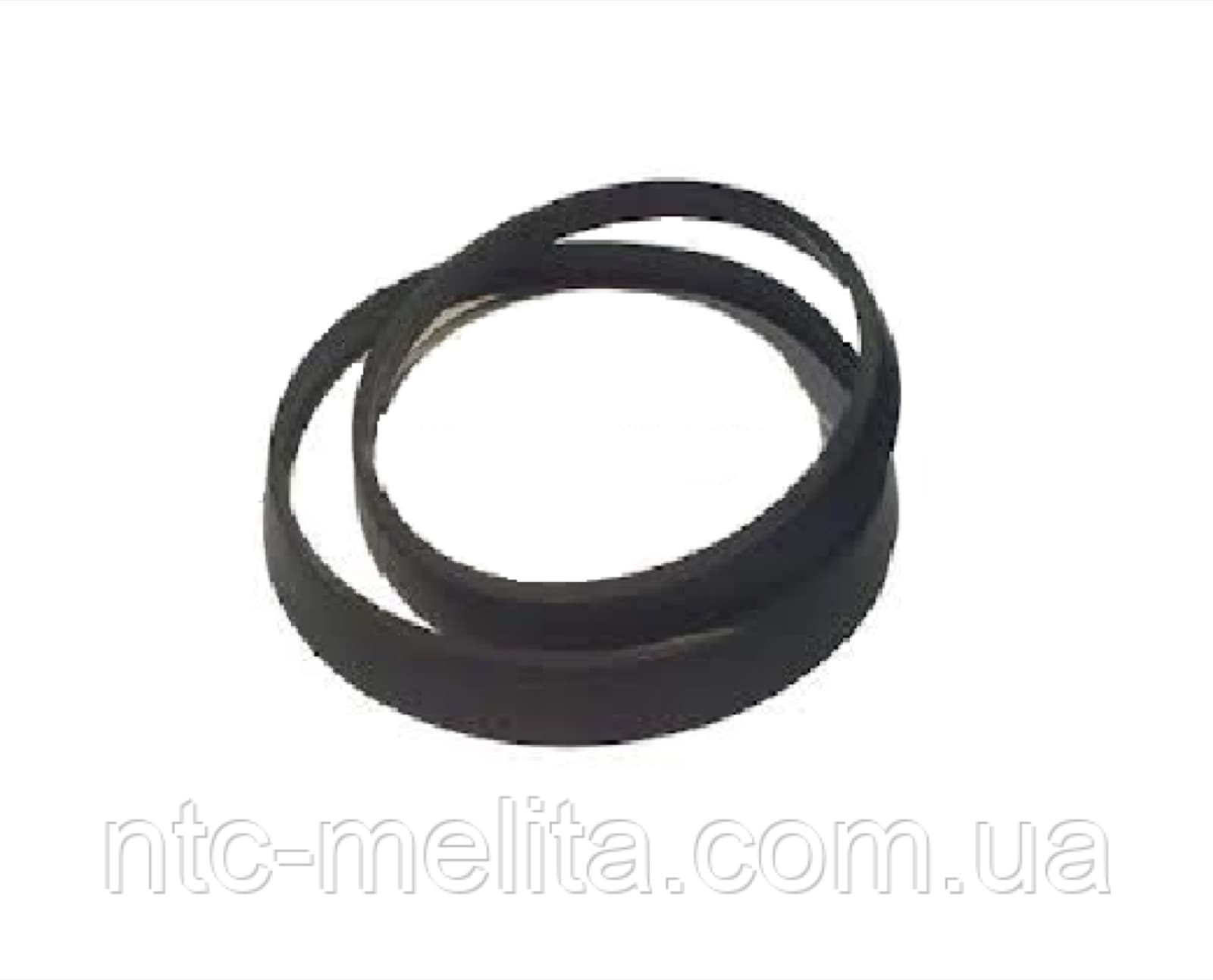
| Knock on start and stop, load drops a few centimetres | Worn elastic coupling element | Coupling elastic element or complete coupling |
| Motor is braked, but the drum turns under load | Sheared splines, damaged gearbox shaft | Lifting gearbox shaft for your lifting height |
| Motor hums, pulls weakly, load hangs on a half-released brake | Lost phase, low voltage, control fault | Supply, contactor, cable; motor and rotor only after an electrician's check |
How to identify the parts you need
Spare parts for Bulgarian hoists are selected by two parameters: load capacity and motor type. They determine the size of the linings, coupling and shaft. For example, our lining for 1 t is 5 mm thick with 175/191 mm diameters, while the lining for 5 t is 7 mm with 258/280 mm, so they cannot be mixed up.
What to collect before ordering:
- load capacity and lifting height from the nameplate on the hoist body (0.5, 1, 2, 3.2, 5 or 8 t);
- the lifting motor marking from its rating plate - for example KG1608, KG2008, KG2011, KG2412, KG2714;
- a photo of the unit you dismantled and, if available, the part's catalogue number.
Where to buy electric hoist spare parts
The easiest way to match capacity, motor and parts is our electric hoist spare parts guide: it shows which linings, couplings, shafts and rotors fit each version. All items are in the Bulgarian electric hoist spare parts catalogue, most of them in stock in Dnipro.
Indicative prices incl. VAT: brake linings from about 4,300 to 6,900 UAH depending on capacity, coupling elastic element from 2,400 UAH, complete coupling from 3,100 UAH. MELITA has been operating since 2015, issues VAT invoices to companies and ships across Ukraine via Nova Poshta, Meest or freight carriers; pickup in Dnipro is free.
Not sure what fits? Send the hoist nameplate, motor rating plate or a photo of the part through the request a quote form - we will put the set together and issue an invoice.
FAQ
Why does my electric hoist lower the load after it is switched off?
Most often the brake does not produce enough torque: worn or oily linings, or wrong rotor axial play. Less often there is backlash in the coupling or a damaged gearbox shaft between the brake and the drum.
How do I adjust the brake on an electric hoist?
On KG conical-rotor motors you adjust the rotor axial travel, which sets the brake gap. Do it with no load and the power isolated, and take the values only from the passport of your model - they differ between motors.
Can oily brake linings be cleaned?
The cone in the end cover is cleaned, but oil-soaked linings are normally replaced: oil in the friction layer reduces grip and comes back to the surface as it heats up. Always fix the oil source, or the new linings will be ruined the same way.
How do I know which brake linings fit my hoist?
Check the load capacity on the hoist nameplate and the KG motor marking on its rating plate, then compare with the parts guide. Linings for 0.5 and 1 t are the same size, and so are those for 2 and 3.2 t.
Can I keep using the hoist if the load slips only a little?
No. Any slipping means the brake is working at its limit, and with full load or a jerk it may not hold at all. The hoist is taken out of service until it is repaired and checked.